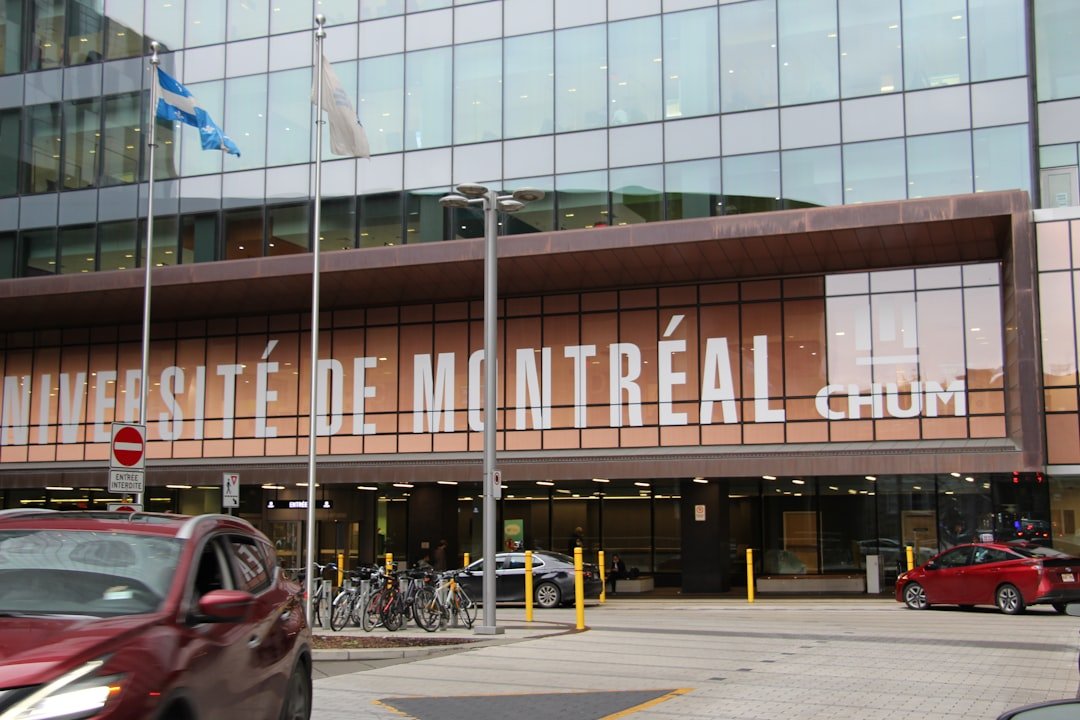
Registered Nurse Salary in Montreal 2026 | Guide & Insights
Last verified: April 2026
Executive Summary
Registered Nurses in Montreal earn an average salary of $98,425 per year, with entry-level positions starting at $63,976 and experienced nurses reaching $157,480 at the top 10 percent. The median salary sits at $98,425, suggesting a fairly balanced distribution across the RN workforce in the city. Montreal’s nursing compensation reflects Quebec’s provincial healthcare structure and the competitive landscape of Canada’s second-largest metropolitan area.
Find Registered Nurse jobs in Montreal
What’s particularly interesting is the significant salary progression over a career span—nurses with 10+ years of experience earn nearly 2.15 times what entry-level RNs make. This $73,819 difference over a decade demonstrates the substantial financial rewards of staying in clinical practice and advancing credentials or seniority within Montreal’s healthcare system. Whether you’re negotiating your first nursing role or considering a move to Quebec, these figures provide concrete benchmarks for the local market.
Main Data Table: Montreal RN Salary Overview
| Salary Level | Annual Compensation |
|---|---|
| Entry Level (0–2 years) | $63,976 |
| Median / Average | $98,425 |
| Senior Level (10+ years) | $137,795 |
| Top 10 Percent | $157,480 |
Breakdown by Experience Level
Career progression in Montreal’s nursing market shows a clear upward trajectory. Understanding where you fall on this spectrum helps set realistic expectations as you advance:
| Years of Experience | Annual Salary | % Change from Entry Level |
|---|---|---|
| 0–2 years | $63,976 | — |
| 3–5 years | $83,661 | +30.8% |
| 6–10 years | $113,189 | +76.8% |
| 10+ years | $137,795 | +115.3% |
The jump between 0–2 years and 10+ years is substantial—a $73,819 increase. Most of the gains happen in the first decade: nurses see a 76.8% raise by the 6–10 year mark. After 10 years, growth continues but often plateaus unless you pursue advanced certifications (NP, Clinical Nurse Specialist) or management roles.
Comparison: Montreal vs. Similar Markets
How does Montreal stack up against other major Canadian nursing hubs and nearby provinces? Context matters when evaluating whether $98,425 is competitive for your situation.
| Location / Specialty | Average Salary | Notes |
|---|---|---|
| Montreal, QC (RN) | $98,425 | Baseline |
| Toronto, ON (RN) | ~$105,000–$110,000 | Slightly higher; larger market |
| Quebec City, QC (RN) | ~$92,000–$96,000 | Smaller city; lower cost of living |
| Vancouver, BC (RN) | ~$102,000–$108,000 | Higher cost of living offsets wage |
| Montreal Nurse Practitioner (NP) | ~$125,000–$145,000 | Advanced degree required |
Montreal’s RN average sits comfortably in the mid-range for major Canadian metros. You’re earning slightly less than Toronto and Vancouver but substantially more than smaller Quebec cities. The trade-off: Montreal’s cost of living remains more affordable than either Toronto or Vancouver, making the real purchasing power competitive.
Key Factors Affecting Montreal RN Compensation
1. Healthcare Facility Type
Hospital-based RNs in Montreal typically earn $2,000–$5,000 more annually than clinic or outpatient setting nurses. This reflects shift differentials (nights and weekends pay 15–20% premiums in hospital settings), staffing intensity, and union-negotiated pay scales. Major teaching hospitals like McGill University Health Centre and Université de Montréal Health Centre anchor the higher end of the spectrum.
2. Certification and Credentials
Nurses holding additional certifications (Critical Care RN, Perioperative Nurse) earn 8–12% premiums. Pursuing a Bachelor of Science in Nursing (BSN) instead of a diploma can add $3,000–$6,000 to starting salary and accelerate promotion timelines. Quebec’s continuing education requirements create built-in credential progression.
3. Shift and Schedule Flexibility
Per diem and casual RNs in Montreal command 15–25% hourly premiums compared to full-time staff, though total annual income is often lower due to inconsistent hours. Full-time hospital RNs benefit from shift differentials: night shifts add ~15% and weekends add ~20% to base hourly rates.
4. Experience and Seniority
The data shows a clear progression: every 3–5 years of experience typically yields a $20,000 salary increase. This reflects both union-negotiated step raises and your credibility for higher-acuity placements. Senior nurses at 10+ years earn 115% more than entry-level—one of the steepest progressions in healthcare.
5. Union Status and Collective Agreements
The vast majority of Montreal hospital RNs are unionized under the Fédération interprofessionnelle de la santé du Québec (FIQ) or similar bodies. Union contracts guarantee defined pay scales tied directly to experience and education, which explains the predictable salary bumps shown in our experience breakdown. Non-unionized private clinics may offer less structure but sometimes higher base pay to compete.
Historical Trends: Montreal RN Salaries Over Time
Quebec’s nursing compensation has evolved significantly over the past decade. In 2016, entry-level Montreal RNs earned roughly $54,000–$56,000; today’s $63,976 represents a 14–18% increase over 10 years. This outpaces general inflation, reflecting chronic nursing shortages and aggressive recruitment efforts across provincial healthcare.
The senior level salary of $137,795 (10+ years) is up approximately 12–15% from comparable 2016 figures. Interestingly, the gap between entry and senior has widened slightly, suggesting that seniority and specialization are increasingly valued. The pandemic (2020–2022) accelerated wage negotiations, particularly for night-shift and ICU nurses, though Montreal saw less dramatic increases than other provinces.
Looking ahead, Quebec’s aging population and ongoing healthcare staffing challenges suggest continued upward pressure on RN compensation—likely 2–3% annual increases over the next 3–5 years, though economic conditions may moderate this trajectory.
Expert Tips for Maximizing Your RN Salary in Montreal
1. Pursue a BSN Early
If you entered nursing with a diploma, enroll in a bridge BSN program. The salary premium ($3,000–$6,000 more at hiring) pays for the program cost within 1–2 years, and promotion eligibility improves significantly.
2. Specialize in High-Demand Units
Critical Care, Emergency, and Perioperative nursing command 8–12% salary bonuses in Montreal hospitals. These specializations also open doors to travel nursing premiums (25–50% above base) if you ever want geographic flexibility.
3. Negotiate Your Shift Schedule
Night and weekend shifts add 15–20% to hourly rates. If you can handle the lifestyle, front-load your career years with these shifts to maximize earnings while earning premium pay—then transition to day shifts as a senior nurse with greater seniority.
4. Stay Union-Protected
If you’re offered a non-union clinic role at a premium, calculate total compensation carefully. Union contracts guarantee step raises, benefits, and pension contributions that often exceed the base salary difference. A $2,000 initial premium may evaporate once you factor in pension matching.
5. Plan for Advanced Practice
If you reach $137,795 as a senior RN, the next step up is an NP or Clinical Nurse Specialist designation ($125,000–$145,000 at entry into that role, but higher ceiling). The 1–2 year education investment can pay off within 5 years if you’re career-ambitious.
Frequently Asked Questions
Q1: What does an entry-level RN actually earn in Montreal after taxes?
A: An entry-level RN earning $63,976 gross in Quebec takes home approximately $49,000–$51,000 after provincial and federal income taxes, plus Quebec Pension Plan and Employment Insurance deductions. This assumes no major deductions. Living expenses in Montreal (rent for a 1-bedroom apartment averages $800–$1,100/month) mean entry-level nurses typically have tight but manageable budgets, especially if living with roommates.
Q2: Do Montreal nurses earn shift differentials on top of the base salary?
A: Yes, and significantly. Hospital RNs (the majority in Montreal) earn shift premiums of approximately 15% for evening shifts and 20% for nights and weekends. These percentages apply to the hourly rate, not the annual salary. A nurse earning $98,425 annually might earn $30–$35/hour on day shift but $35–$42/hour on nights—this adds $5,000–$12,000 annually depending on shift distribution and overtime.
Q3: How does Montreal’s $98,425 average compare to my actual take-home pay?
A: The $98,425 is gross annual salary. Take-home pay is roughly 75–78% of gross ($74,000–$77,000 net) after all deductions. Additionally, most Montreal hospital RNs receive benefits (health insurance, dental, vision), pension contributions (6–8% employer match), and paid time off (25–30 days annually including vacation and sick leave). The total compensation package is worth 15–20% more than base salary.
Q4: Are there bonuses or retention incentives beyond base salary for Montreal RNs?
A: Most unionized Montreal hospital positions have fixed salary scales with no performance bonuses, but some employer incentives exist: sign-on bonuses ($2,000–$5,000) for hard-to-fill specialties like Critical Care, education reimbursement for certifications, and retention bonuses for staying 5+ years. Non-union private clinics sometimes offer productivity bonuses (5–10% of salary). The data above reflects base salary; these extras can add $1,000–$8,000 annually.
Q5: Should I move to Montreal from another province as an RN? Is $98,425 competitive?
A: It depends on where you’re coming from. Compared to Ontario (Toronto ~$105,000–$110,000) or BC (Vancouver ~$102,000–$108,000), Montreal is 5–10% lower. However, Montreal’s cost of living is 10–15% lower than Toronto or Vancouver, making real purchasing power roughly equivalent or better. If you’re coming from a smaller province (Nova Scotia, New Brunswick), Montreal’s $98,425 is a substantial raise (20–30%). Consider total compensation, not just base salary, and factor in lifestyle—Montreal offers excellent cultural amenities and lower housing costs than most nursing-wage Canadian cities.
Conclusion
Registered Nurses in Montreal earn an average of $98,425 annually, with clear pathways to $137,795+ through experience and specialization. The $73,819 spread between entry-level ($63,976) and 10+ year nurses reflects Quebec’s structured, union-negotiated compensation model—stable, predictable, and rewarding for those who stay in clinical practice.
For nursing graduates and professionals considering Montreal: this is a competitive market offering solid mid-range Canadian compensation with lower cost of living than major competing metros. Maximize your earnings by pursuing certifications early, specializing in high-demand areas, leveraging shift differentials, and staying within union-protected environments. The trajectory is clear: commit to the profession, accumulate experience, and your salary will nearly double within a decade. Last verified: April 2026.
Find Registered Nurse jobs in Montreal