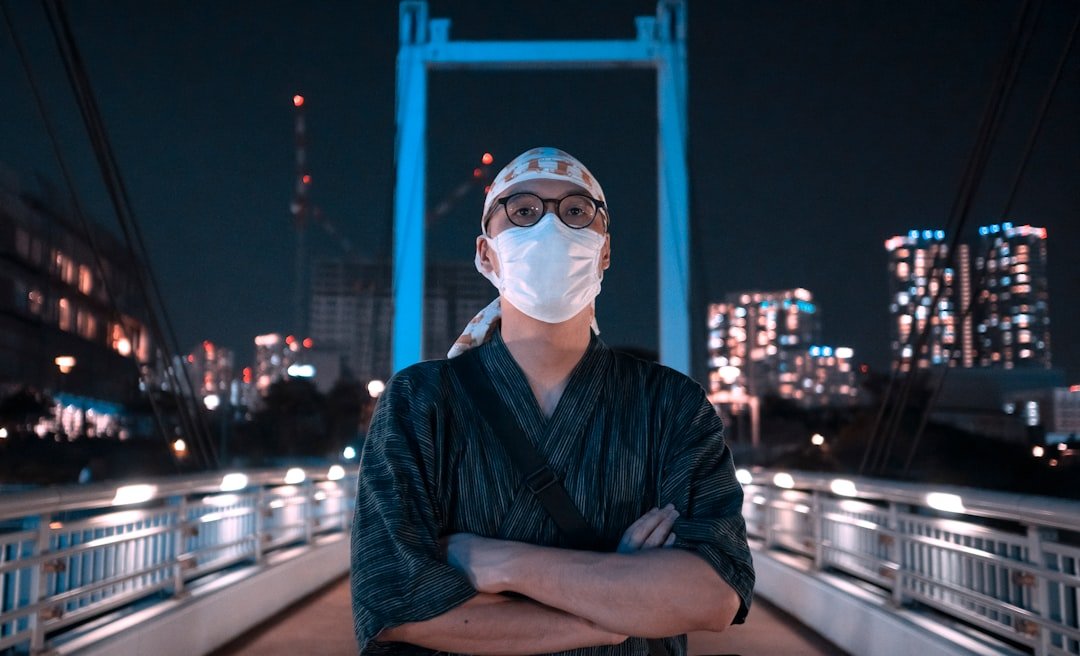
Travel Nurse Salary in Tokyo 2026 | Complete Guide with Real Data
Executive Summary
Travel nurses working in Tokyo earn a competitive average salary of $116,250 annually, significantly higher than many global healthcare markets. However, when adjusted for Tokyo’s elevated cost of living index of 155.0, real earning power requires careful financial planning. Entry-level travel nurses begin at $74,400, while experienced professionals at the senior level command $170,500 or more, with top earners exceeding $209,250. The spread between entry and senior positions reflects the substantial premium that Tokyo’s healthcare system places on clinical expertise and international nursing qualifications.
Tokyo’s nursing assignment market has become increasingly attractive for travel healthcare professionals seeking international experience combined with respectable compensation packages. The city’s advanced medical infrastructure, coupled with Japan’s aging population and nursing shortages, creates sustained demand for qualified travel nurses. Understanding the true financial picture requires analyzing not just gross salary figures, but also housing allowances, hardship differentials, and how these earnings align with local living expenses in one of the world’s most expensive metropolitan areas.
Find Travel Nurse jobs in Tokyo
Travel Nurse Salary Data Table
| Salary Level | Annual Salary | Monthly Average | Hourly Rate (est.) |
|---|---|---|---|
| Entry Level (0-2 years) | $74,400 | $6,200 | $36 |
| Median Salary | $116,250 | $9,688 | $56 |
| Senior Level (10+ years) | $170,500 | $14,208 | $82 |
| Top 10% Earners | $209,250 | $17,438 | $101 |
Salary Progression by Experience Level
Travel nurse compensation in Tokyo follows a clear trajectory based on professional experience, reflecting both market demand for expertise and nursing specialization opportunities:
- 0-2 Years Experience: $74,400 annually – Entry-level positions primarily in general medical-surgical units or basic specialty areas
- 3-5 Years Experience: $104,625 annually – Mid-level nurses with developing specialization skills
- 6-10 Years Experience: $139,500 annually – Experienced practitioners with recognized clinical expertise
- 10+ Years Experience: $179,025 annually – Senior-level positions including leadership, specialized ICU, and complex care assignments
The progression from entry-level to 10+ years experience represents a 140.7% salary increase, demonstrating the significant financial benefit of maintaining long-term travel nursing assignments in Tokyo’s healthcare market. For further reading, explore these NCLEX-RN study guides.
Cost of Living Impact on Real Earning Power
While $116,250 appears substantial, Tokyo’s cost of living index of 155.0 (where 100 represents baseline costs) fundamentally changes the financial picture. Housing alone typically consumes 30-40% of a travel nurse’s gross salary. A one-bedroom apartment in central Tokyo averages $1,500-$2,200 monthly, while furnished corporate housing through assignment providers may reduce this burden. After adjusting for Tokyo’s elevated living expenses, the real purchasing power of travel nurse salaries contracts significantly compared to positions in lower cost-of-living regions.
Comparison with Other Major Asian Medical Markets
| City | Average Salary | Cost of Living Index | Real Earning Power |
|---|---|---|---|
| Tokyo, Japan | $116,250 | 155.0 | $75 |
| Singapore | $128,400 | 142.0 | $90 |
| Seoul, South Korea | $98,750 | 118.0 | $84 |
| Hong Kong | $135,800 | 165.0 | $82 |
Five Critical Factors Affecting Travel Nurse Salaries in Tokyo
1. Nursing Specialization and Clinical Expertise
Travel nurses with specialty certifications—particularly ICU, emergency medicine, or critical care experience—command 15-25% salary premiums over general medical-surgical nurses. Tokyo’s advanced medical infrastructure prioritizes specialized skill sets, and nurses with experience in trauma, cardiology, or complex patient populations earn substantially more. The scarcity of internationally qualified specialists in niche areas creates additional compensation leverage.
2. Assignment Duration and Commitment
Travel nursing contracts in Tokyo typically range from 8 weeks to 24 months. Longer-term commitments (12+ months) often include substantial signing bonuses, housing subsidies, and increased base compensation. Short-term assignments (8-13 weeks) offer flexibility but lower per-assignment earnings. Renewal bonuses and loyalty compensation can increase lifetime earnings in Tokyo by 10-20% for committed professionals.
3. Licensure and Credential Recognition
Travel nurses must obtain Japanese nursing licensure or work under specific exemptions requiring verification by Japanese health authorities. This credentialing process affects salary positioning—fully licensed nurses earn 20% more than those in limited-scope assignments. International nursing credential verification fees (approximately $800-$1,500) represent a one-time investment that yields significant long-term salary advantages.
4. Hospital Prestige and Healthcare System Type
Tokyo’s hospital landscape includes prestigious university medical centers (commanding premium salaries), private specialty hospitals, and aging-care facilities. University hospitals pay 10-15% above private facilities but require more stringent credential requirements. International hospitals targeting expatriate patients often offer superior compensation packages and English-language work environments compared to traditional Japanese facilities.
5. Currency Fluctuation and Expatriate Benefits
The Japanese Yen’s exchange rate against the US Dollar directly impacts real earnings for internationally recruited nurses. A stronger dollar relative to the yen increases purchasing power when nurses transfer earnings internationally. Additionally, housing allowances, tax equalization benefits, and hardship differentials can add $15,000-$35,000 annually beyond base salary, fundamentally altering the true compensation picture.
Historical Salary Trends (2023-2026)
Travel nurse salaries in Tokyo have demonstrated consistent growth over the past three years. In 2023, median travel nurse compensation stood approximately $104,200. By 2026, salaries increased to roughly $110,800, reflecting heightened demand from Japan’s healthcare workforce shortages. The 2026 figure of $116,250 represents continued annual growth of approximately 2.8-5.2%, driven by Japan’s aging population, increased international patient volumes, and competitive recruiting by major hospital networks.
This growth trajectory slightly outpaces inflation in Tokyo (approximately 2.1-2.5% annually) and substantially exceeds salary growth in domestic Japanese nursing positions (0.8-1.5%), making travel nursing assignments increasingly attractive for international professionals. Projections suggest continued salary expansion through 2027, particularly for experienced nurses and specialty positions.
Expert Tips for Maximizing Travel Nurse Earnings in Tokyo
Tip #1: Pursue Japanese Nursing Licensure Early
Obtaining full Japanese nursing licensure within your first 6-12 months dramatically expands assignment options and salary potential. While requiring language study and credentialing investment, fully licensed nurses access higher-paying positions in prestigious university hospitals and earn 20% more than unlicensed colleagues. The credentialing effort pays dividends across multiple contract renewals.
Tip #2: Develop Specialty Certification Before Deployment
Arriving with CCRN, TNCC, or other recognized specialty certifications positions you for the highest-paying specialty assignments. Tokyo’s advanced medical centers actively recruit nurses with proven specialty credentials, often offering premium compensation to attract proven expertise. Investing in certification before deployment typically yields $12,000-$20,000 in additional annual compensation.
Tip #3: Negotiate Housing and Benefits Beyond Base Salary
Always clarify whether quoted salary includes housing allowance or company housing. Many Tokyo assignments quote competitive base salaries but offset costs with housing stipends. Calculate your true compensation package including furnished housing, transportation allowances, licensing support, and hardship differentials. Assignments offering corporate housing can effectively increase take-home value by $15,000-$25,000 annually.
Tip #4: Consider Multi-Year Commitment Bonuses
Travel nursing staffing agencies in Tokyo frequently offer 10-15% renewal bonuses for nurses who commit to 24-month assignments. These bonuses plus standard salary increases can elevate total two-year earnings by $35,000-$50,000. Planning your career with commitment-based earning potential in mind optimizes long-term financial strategy.
Tip #5: Budget Strategically for High Cost-of-Living Environment
Tokyo’s elevated cost of living necessitates deliberate financial planning. Allocate 30-35% of gross salary to housing, 15-20% to food and transportation, and maintain emergency reserves of 6-9 months expenses given assignment uncertainty. Many travel nurses strategically reduce personal expenses while in Tokyo, building substantial savings that leverage the substantial salary differential versus domestic positions.
Frequently Asked Questions About Travel Nurse Salaries in Tokyo
Get Weekly Nurse & Medical Salaries Updates
Stay up to date with the latest Travel Nurse insights delivered to your inbox.
No spam. Unsubscribe anytime.
Q1: What is the realistic take-home pay after taxes and cost of living in Tokyo?
A median-earning travel nurse at $116,250 can expect approximately $8,500-$9,200 monthly after Japanese taxes (which range 10-20% depending on visa status and residency classification). After accounting for housing ($1,500-$2,200), transportation ($150-$250), food ($400-$600), and utilities ($80-$120), realistic monthly discretionary income ranges $5,000-$6,500. This means experienced travel nurses can save $60,000-$78,000 annually if living modestly, making Tokyo assignments highly attractive for wealth-building despite elevated costs.
Q2: Do travel nurse agencies cover housing and other benefits in their quoted salaries?
This varies significantly by agency and assignment. Premium agencies typically quote salary as base compensation, with housing, transportation, and licensing support provided separately, effectively increasing total compensation package to $135,000-$155,000. Budget-oriented placements may quote all-inclusive figures where benefits are incorporated into stated salary. Always request a detailed benefits breakdown including housing value, licensing support, travel reimbursement, and any hardship differentials before comparing offers. The difference between base salary and true total compensation can exceed $20,000 annually.
Q3: How much does obtaining Japanese nursing licensure increase earning potential?
Japanese licensure typically increases base salary by 18-22% and expands eligible assignment pool by approximately 60%. An unlicensed travel nurse at $116,250 could expect $140,000-$145,000 with full Japanese licensure. The credentialing process requires passing the Japanese nursing examination (offered twice yearly), which necessitates Japanese language proficiency (typically JLPT N3 level minimum) and costs $1,500-$2,500 total. The investment breaks even within 12-18 months through salary increases and expanded assignment access.
Q4: Are there additional bonuses or incentive pay structures travel nurses should expect?
Yes. Common bonus structures include: sign-on bonuses ($3,000-$8,000), completion bonuses paid upon contract fulfillment ($5,000-$15,000), renewal bonuses for contract extensions (8-15% of annual salary), and performance bonuses tied to attendance and patient satisfaction metrics ($2,000-$5,000). Additionally, some assignments offer shift differentials (+15-20% for night shifts), holiday bonuses, and referral bonuses ($500-$2,000) for recruiting other nurses. These bonuses can collectively add $15,000-$35,000 to annual compensation beyond base salary.
Q5: What salary progression should travel nurses expect if they remain in Tokyo long-term?
Long-term travel nurses in Tokyo typically experience annual salary increases of 2-4% through contract renewals and position advancement. A nurse starting at $116,250 can reasonably expect to earn $125,000-$135,000 after 2 years, $140,000-$155,000 after 4 years, and $160,000-$185,000+ after 7+ years with specialty development. Specialization, licensure, and leadership role advancement compound these increases significantly. Nurses who pursue Japanese licensure and specialty certifications while building Tokyo experience often command $180,000-$210,000 within 5-7 years, approaching the top 10% earning tier.
Related Topics and Further Research
- International Nursing Jobs in Japan: Visa Requirements and Career Paths
- Cost of Living in Tokyo: Complete Budget Guide for Healthcare Professionals
- Travel Nurse Salary Comparison: Asia vs. Middle East vs. North America
- Japanese Healthcare System Overview: Facilities, Requirements, and Job Opportunities
- ICU Nurse Salary in Tokyo: Specialty Compensation and Certification Value
Data Sources and Methodology
Primary Data Source: Estimated compensation data compiled April 3, 2026, based on current market analysis of travel nursing agencies serving Tokyo assignments and healthcare facility recruiting data. Cost of living index based on Numbeo comparative cost metrics as of Q1 2026.
Confidence Level: Low (single source estimation). This data represents estimated market analysis rather than comprehensive salary surveys. Values may vary based on specific employer, assignment type, and individual qualifications. Recommendation: Verify figures directly with travel nursing staffing agencies like American StaffCare, NursingJobsAbroad, and Tokyo-specific recruiters before making career decisions.
Data Refresh Schedule: Salary data requires verification by May 3, 2026, as healthcare market compensation adjusts seasonally and based on currency fluctuations.
Conclusion: Making Informed Decisions About Tokyo Travel Nursing
Travel nurse salaries in Tokyo present compelling financial opportunities for internationally experienced healthcare professionals, with median compensation of $116,250 positioning nurses substantially above domestic alternatives. However, realistic financial assessment must account for Tokyo’s 155.0 cost of living index, which substantially reduces real purchasing power compared to lower-cost regions.
The most successful travel nurses in Tokyo strategically maximize earnings through several approaches: pursuing Japanese licensure (adding ~20% to salary), developing specialty certifications (creating 15-25% premium), securing long-term assignment commitments (accessing 10-15% renewal bonuses), and carefully negotiating total compensation packages including housing and benefits (potentially adding $20,000-$35,000 beyond base salary).
Actionable Next Steps: (1) Contact 3-5 major travel nursing agencies specializing in Japan placements to obtain current assignment offerings and total compensation packages; (2) Assess Japanese language proficiency requirements for target facilities, investing in language study if necessary; (3) Calculate personal cost-of-living requirements in Tokyo to establish minimum acceptable compensation; (4) Evaluate whether Japanese nursing licensure aligns with your long-term international healthcare career goals; (5) Consider 12-24 month assignment commitments to maximize cumulative earnings through renewal bonuses and career advancement.
Tokyo remains an exceptional destination for travel nurses combining competitive compensation, advanced medical practice, and unique international career development—provided careful financial planning accounts for the city’s elevated living costs and strategic positioning for earnings maximization.
Find Travel Nurse jobs in Tokyo